
In a groundbreaking partnership, faculty from five downstate universities (Stony Brook University, City College of New York, Fordham University, Hofstra University and St. John’s University) collaborated to create a multi-pronged initiative to address the shortage of diverse and well-prepared K-12 school leaders who are prepared to support varied student learning needs.
The Strengthening Diversity in Leadership Initiative was made possible through the work of the Metropolitan Council of Education Administration Programs (MCEAP) executive committee and has received funding from a New York State Education Department (NYSED) grant. The grant's objectives were to help create a pipeline for emerging school leaders, conduct and disseminate research on the effective strategies being used in the field, and foster new and better leadership skills to integrate diversity and inclusion efforts deeply into school priorities, culture and operations.
A Multipronged Approach to a Multifaceted Challenge
To achieve the grant objectives, the initiative will use the following strategies:
- Create a statewide pilot online leadership preparation program
- Recruit and support leadership candidates from underrepresented groups
- Provide statewide leadership development opportunities to support assistant principals and qualified teacher-leaders to address a problem of practice, engage in strategic planning and problem-solving, or plan for improved family and community engagement
- Enlist educational leaders, university faculty and other stakeholders for regional town hall discussions about the challenges and solutions to diversify the leadership pipeline
Each proposed strategy will be implemented collaboratively with local schools, districts, and professional associations, while piloting new approaches to leadership preparation and development and research within the field.
Board of Regents Chancellor Lester W. Young, Jr. called the initiative's work “a unique and innovative approach to building a comprehensive leadership development model.”
As part of the Strengthening Diversity in Educational Leadership Initiative, four components represent a coordinated statewide effort to expand equitable leadership preparation and strengthen diversity within New York State’s K–12 education system. Each component focused on a different aspect of leadership development — from analyzing existing programs to building new pipelines and advancing inclusive practices. The reports summarized what was learned from each component and presented policy and practice recommendations.
1. Landscape Analysis of School Building Leadership Preparation Programs in New York State
This component provided a comprehensive overview of all active school building leadership programs in New York State during the 2023–2024 academic year. The analysis examined geographic distribution, program content, and delivery models, assessing how extensively programs prepare leaders to advance diversity, equity, and inclusion in their schools and communities.
2. Expanding Diversity in New York State’s K–12 Leadership Pipeline: Challenges and Solutions by Region
This component explored the persistent lack of racially diverse K–12 school and district leaders. Through regional Town Halls, school and district leaders and faculty members identified common challenges in recruiting and retaining leaders of color and shared locally developed, innovative strategies for promoting equitable leadership pipelines across the state.
3. A Model Educational Leadership Program
This component documented the successful statewide implementation of an online leadership preparation pipeline designed to expand participation among underrepresented groups. The model demonstrated how inclusive recruitment and training practices can strengthen the diversity of New York State’s educational leadership workforce.
4. Leadership Development Seminar Series: A Comparison of Approaches and Outcomes
This component provides an in-depth description of one of the seminar series. It identified realistic methods for leaders to engage families and communities in schooling and student success, including identifying potential barriers to success. This program provided support to current, in-service teachers, teacher leaders, and assistant principals with ambitions for higher leadership. Goals of the series included greater leadership acumen and innovation in creating family and community partnerships for K-12 schools.
5. Developing Leaders for K-12 Family and Community Engagement Seminar Series Report
This component describes a six-session professional learning series designed to strengthen school leaders' capacity for meaningful family and community engagement. The seminar brought together over twenty assistant principals and teacher leaders in virtual sessions featuring curated content, collaborative discussion, and real-world problem-solving grounded in the Professional Standards for Educational Leaders (PSEL) and NYS Culturally Responsive-Sustaining Education Framework. Goals included widening the pool of educators who navigate school-community partnerships with confidence, sharing effective engagement strategies, empowering participants to implement methods with their teams, and challenging traditional thinking about family involvement in schools.
6. New York State Educational Leadership Program Directory
This comprehensive directory provides a centralized resource for prospective students and stakeholders seeking information on educational leadership programs across New York State. The directory includes 37 active School Building Leader (SBL) and combined SBL/School District Leader (SDL) programs, including institutional details and certifications offered. The directory was developed through systematic research conducted from August 2023 to January 2025 in collaboration with faculty from Stony Brook University, City College of New York, Fordham University, Hofstra University, and St. John's University.
PARTICIPATING RESEARCHERS
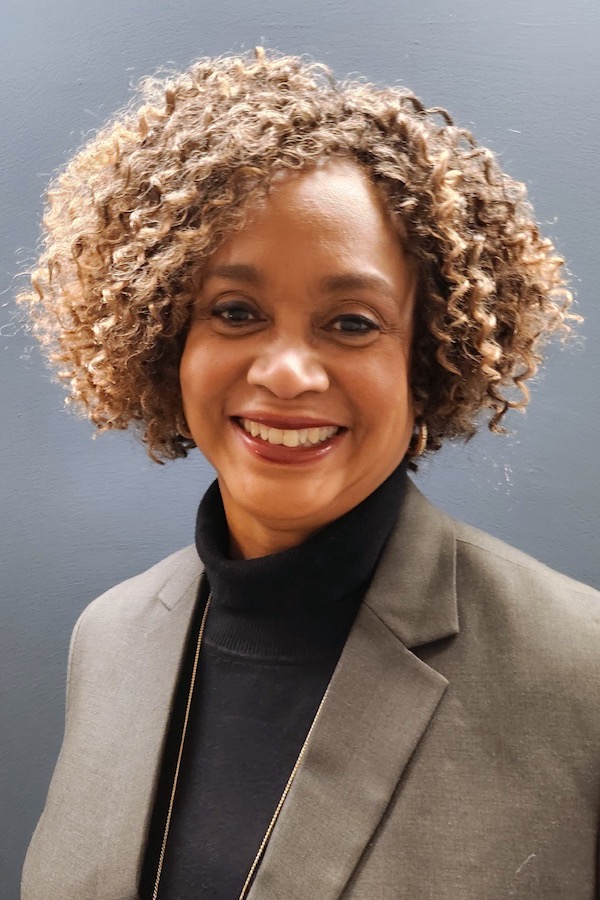
Hazel M. Carter, PhD
Associate Professor, Educational LeadershipSchool of EducationCity University of New Yorkhcarter@ccny.cuny.edu

Catherine DiMartino, PhD
ProfessorSchool of EducationSt. John's Universitydimartic@stjohns.edu
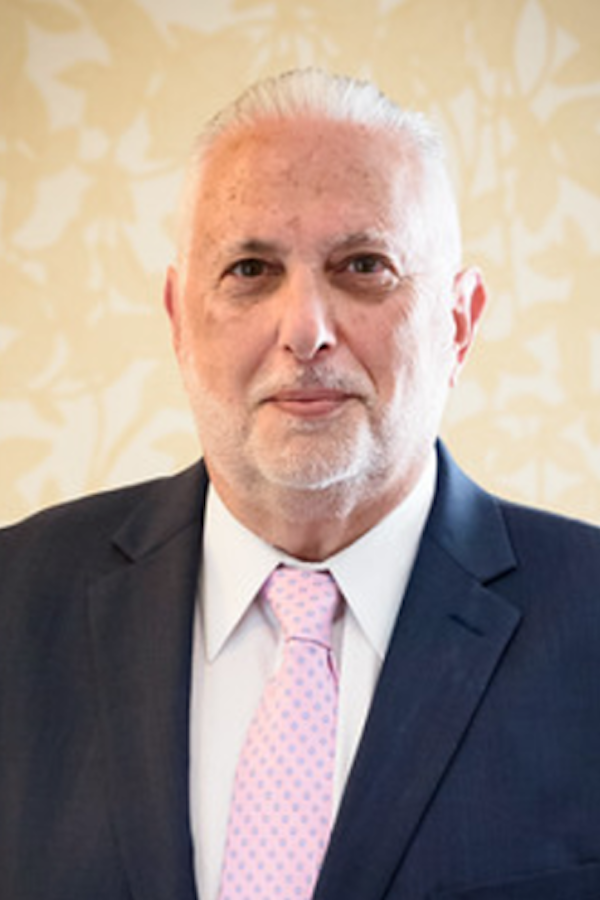
Kenneth Forman, PhD
Associate DirectorEducational Leadership ProgramSchool of Professional DevelopmentStony Brook Universitykenneth.forman@stonybrook.edu

Stephen Kotok, PhD
Associate ProfessorSchool of EducationSt. John's Universitykotoks@stjohns.edu

Margaret Terry Orr, PhD
ProfessorGraduate School of EducationFordham Universitymorr4@fordham.edu